

Das Evros-Delta: ein lebendiges Sch తేదీ Thrakiens
Das Evros-Delta: ein lebendiges Sch తేదీ Thrakiens
Stretching across the northeastern tip of Greece, where the land quietly dissolves into water, and the sky belongs to birds, the Evros Delta is one of the most ecologically significant landscapes in all of Europe. Fed by the Evros River, the country’s third longest waterway, running 204 kilometers through Greek territory, this vast delta unfolds from the town of Ferres and covers approximately 190,000 stremmata, or roughly 19,000 hectares. About one-fifth of this extraordinary landscape falls within Turkish borders, making it a shared natural heritage of genuine international importance.
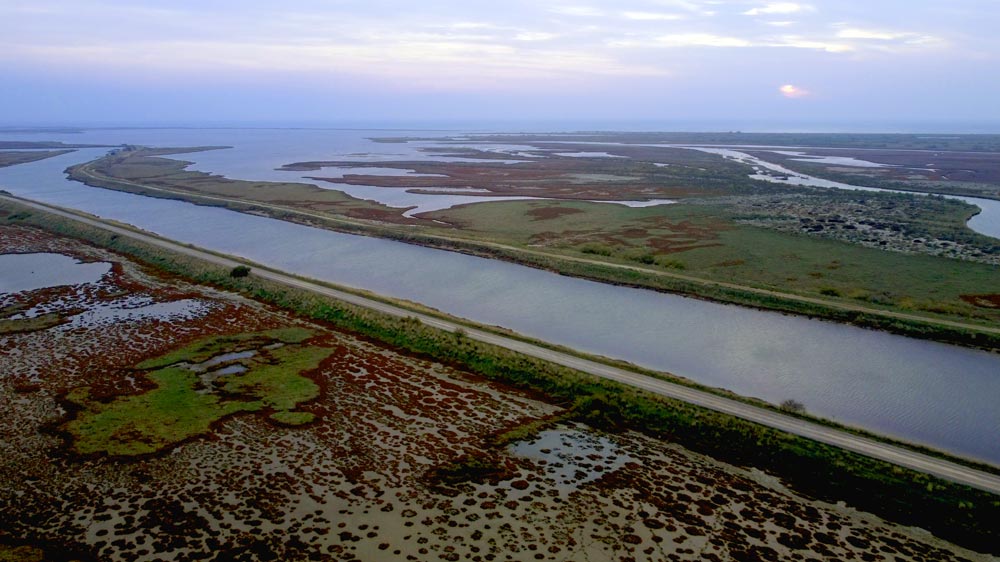
The Evros is not simply a river. It is a living system that has spent millennia carving out lagoons, reed beds, mudflats, and shallow lakes across the Thracian plain. It is a place where the boundary between land and water is never quite fixed and where that fluid uncertainty has created the conditions for an abundance of life that few other places in Europe can match.
A delta that lives and breathes birds
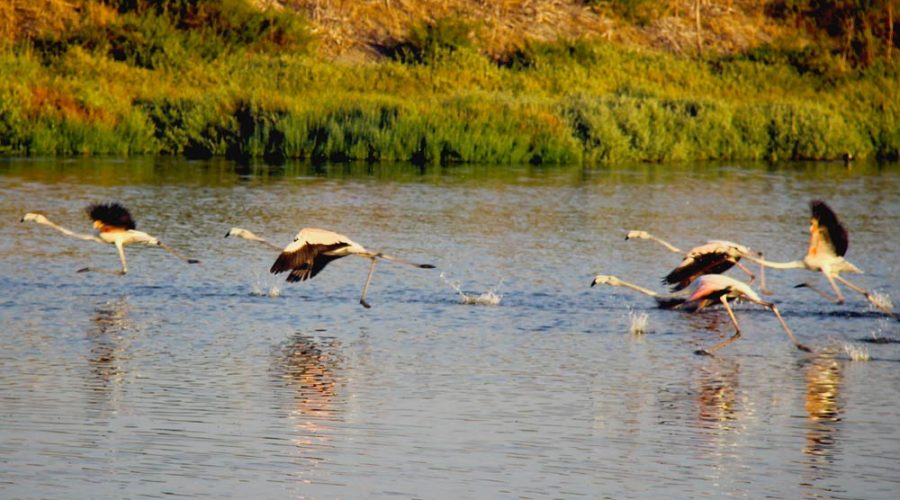
For birdwatchers and ornithologists, the Evros Delta is nothing short of a paradise. To date, 304 different bird species have been recorded nesting, overwintering, or passing through the area. That number becomes even more striking when you consider that the entire national bird list for Greece stands at 417 species. In other words, the Evros Delta alone accounts for nearly three-quarters of all birds ever recorded in the country. This concentration of avian life is exceptionally rare by European standards and firmly places the Delta among the continent’s most important wildlife destinations.
The ecosystem serves a triple role for birds. It acts as a habitat for nesting and foraging, supporting herons, cormorants, shorebirds, raptors, and dozens of other species that depend on its shallow waters and dense vegetation. It also functions as a crucial overwintering wetland, where large populations of ducks, geese, and other waterbirds traveling from central and eastern Europe settle for the colder months. And it serves as a vital resting and refueling stop for migratory species making the long seasonal journey between the Middle East, Africa, and the rest of Europe.
A landscape shaped by water and changed by human hands
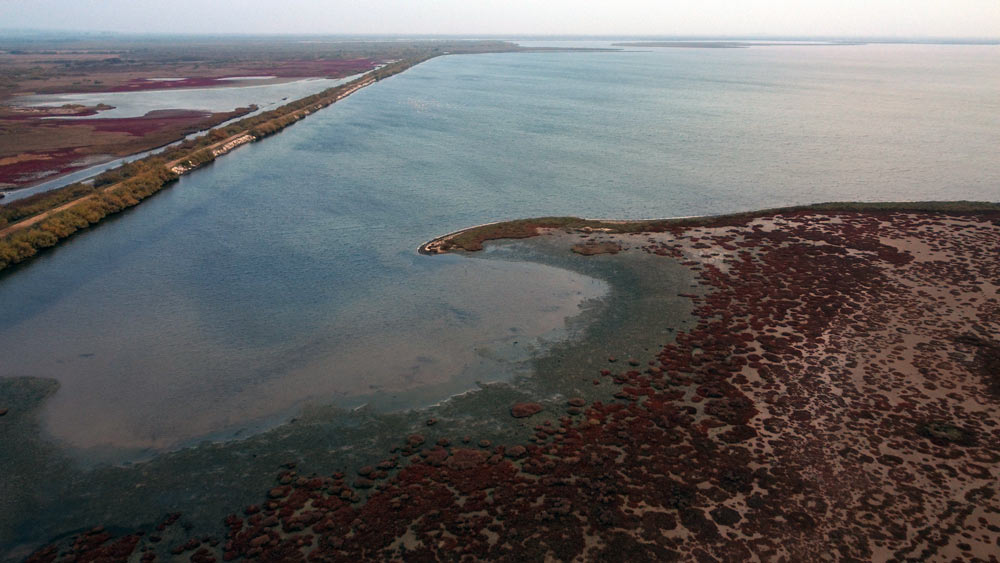
Until the late 1960s, almost the entire Delta remained submerged or heavily waterlogged for many months each year. These vast marshes and floodplains made the area difficult to access, and the small communities that did live along its edges pursued traditional activities such as fishing, hunting, and grazing in a way that coexisted naturally with the wetland. Their presence caused little disruption to the ecosystem’s slow, seasonal rhythms.
That harmony did not last. In the decades that followed, two significant human interventions permanently altered the landscape. Extensive drainage works were undertaken to convert wetland areas into agricultural land, and an artificial channel was constructed to straighten the natural course of the Evros River. Together, these projects disturbed the Delta’s hydrological balance, shrank its wetland coverage considerably, and set in motion ecological changes whose effects are still felt today.
Conservation, ecotourism, and planning your visit
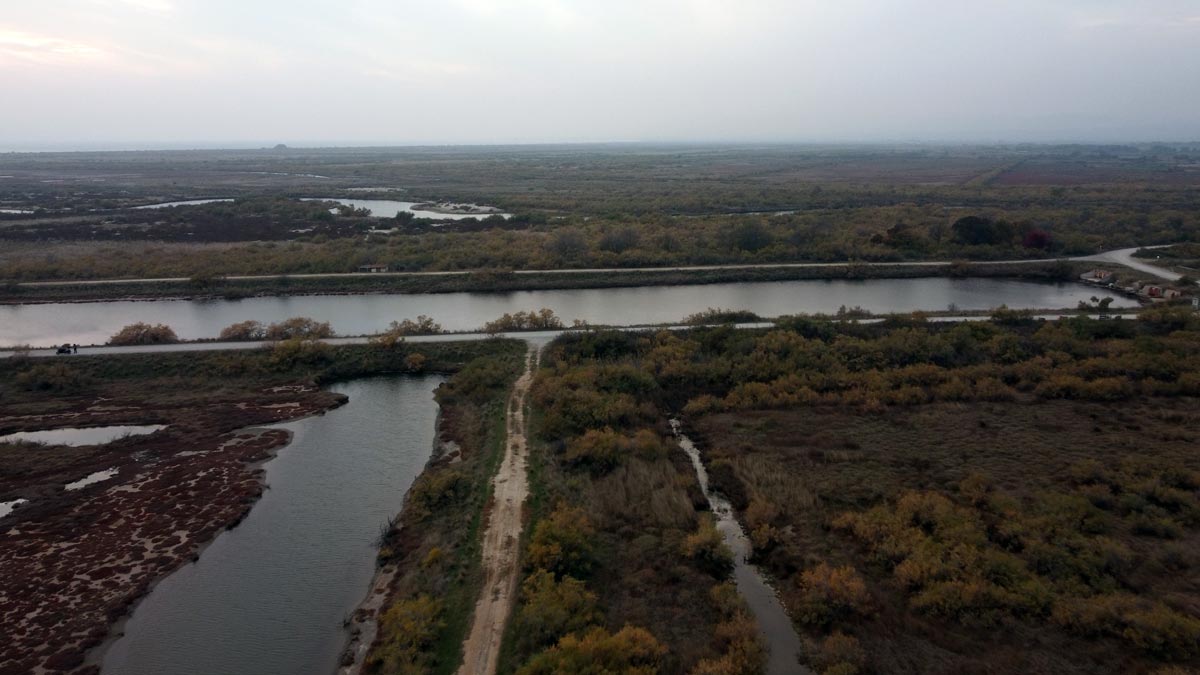
Despite these pressures, the Evros Delta has endured as one of the most biodiverse corners of Greece. It is protected under the Ramsar Convention on wetlands of international importance, and large sections of it are included within the Natura 2000 European protected areas network. In recent years, conservation efforts have concentrated on restoring water flows to degraded areas, carrying out regular bird population surveys, and building an ecotourism infrastructure that welcomes visitors without putting the wildlife at risk.
Spring, from April through May, is the most spectacular season, when wave after wave of migratory species pass through on their northward journey. Winter, from November through February, brings enormous flocks of waterbirds to the lagoons. The area around the Delta offers walking trails, dedicated birdwatching hides, and guided boat trips along the river channels. A short distance away, the wetlands of Lake Vistonida offer yet another remarkable destination for anyone drawn to the natural landscapes of Thrace.
For travelers seeking wild, unhurried Greece, well away from the crowded island resorts, the Evros Delta is a destination unlike any other. It is a place where the landscape still moves to its own ancient rhythm and where, in every season, the sky above the reeds is never entirely still.
Explore the Evros Delta and plan your visit
